Serving Rutland, VT and surrounding areas. (802) 855-9280
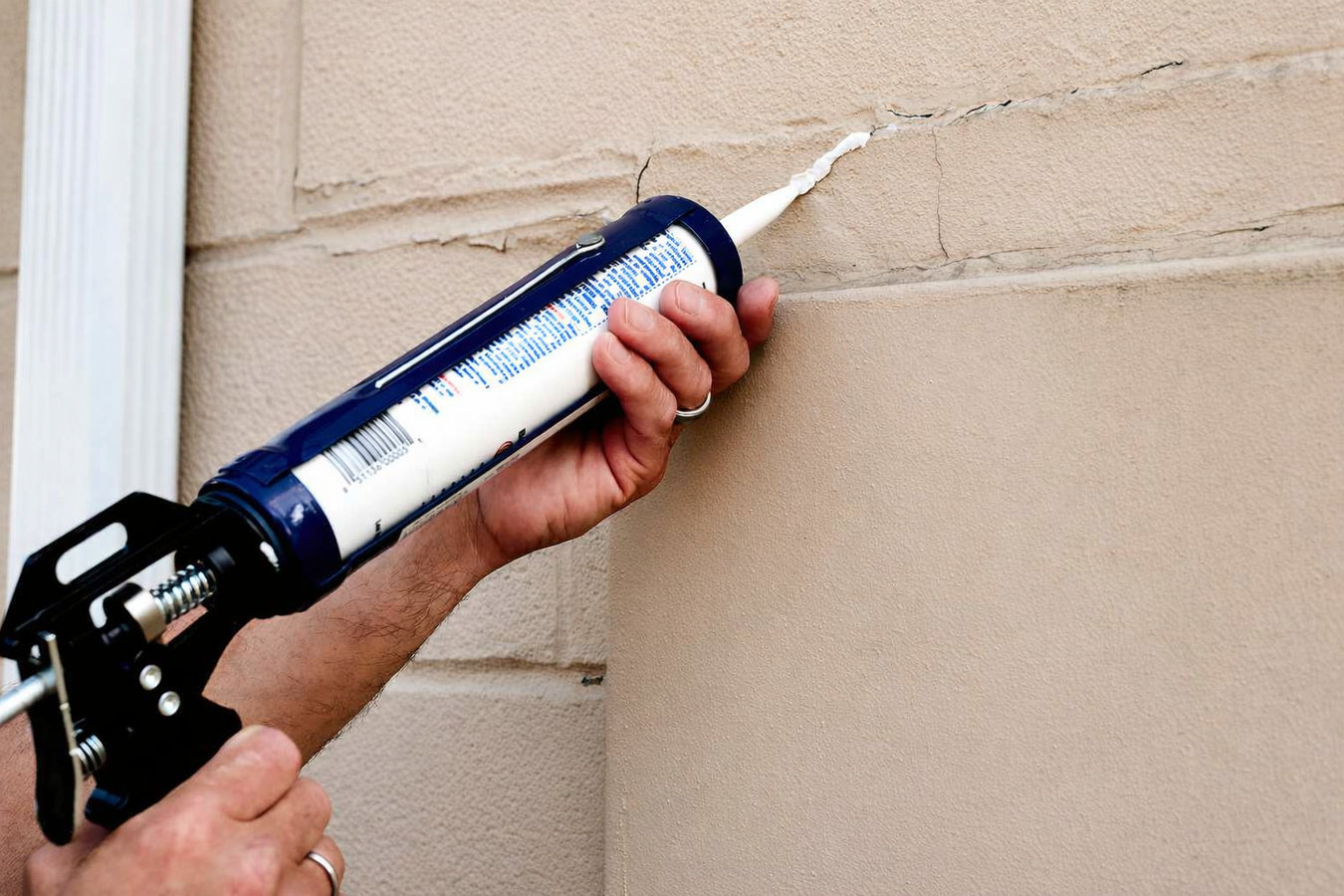
Most Rutland homes lose heat through invisible gaps - not through windows and doors. We find and seal those gaps so your home stays warm and your heating system stops working overtime.
Air sealing services in Rutland, VT means finding and closing the small gaps, cracks, and openings where outside air sneaks in and heated air leaks out - and most jobs on a single-family home are completed in one to two days with no major disruption to your living spaces.
The biggest surprise for most homeowners is where those leaks actually are. Windows and doors account for a small share of the total. The real culprits are usually in the attic - around light fixtures, plumbing chases, and framing gaps - and in the basement, where the framing sits on top of the foundation. Older Rutland homes built before 1950 were never designed with air tightness in mind, so the gap between a typical home here and a properly sealed one is large.
Air sealing works best when paired with good insulation. If you are also dealing with under-insulated walls or attics, consider combining air sealing with basement insulation or attic air sealing for the most complete result.
If you notice cold air moving across your feet in certain rooms, or if the air near your baseboards feels noticeably colder, outside air is finding its way in. In older Rutland homes, these drafts often come from gaps in the basement rim joist or from unblocked wall cavities connected to the attic.
If one bedroom is always freezing in January while another is stuffy in summer, the house is not holding conditioned air evenly. This often means certain areas have more air leakage than others, and outside temperatures are dominating. In older two-story Rutland homes, upstairs bedrooms are frequently the worst offenders.
Ice dams form when warm air escapes from your living space into the attic and melts snow on the roof, which then refreezes at the cold eaves. Rutland gets enough snow and cold that this cycle happens reliably every winter in leaky homes. If you had ice dams last winter, attic air sealing is one of the most effective long-term fixes.
If your fuel or electric bills during a Vermont winter seem out of proportion to what neighbors pay, or if they have been creeping up without any change in your habits, air leaks are often the cause. A home that is leaking heated air is essentially heating the outdoors, and your furnace has to run longer to compensate.
Before sealing anything, we do a blower door test - a device that temporarily depressurizes your home so air leaks become detectable - and pair it with an infrared camera that shows temperature differences on walls and ceilings. This diagnostic step is what separates a thorough job from one that just addresses the obvious spots. We then use the right material for each location: spray foam for larger openings, caulk for smaller cracks along trim and framing, and rigid foam or sheet metal for large attic bypasses. Many homeowners find that combining air sealing with attic air sealing addresses the single largest source of heat loss in one visit.
For homes with broader energy needs, we can combine air sealing with basement insulation or wall insulation in the same project. Doing related work together reduces total labor cost and means you get one coordinated result rather than two separate jobs scheduled weeks apart. Efficiency Vermont rebates may apply to both services, which we will confirm before any work begins.
Sealing gaps around lights, plumbing, and framing in the attic floor - where the largest share of heat loss typically occurs in Vermont homes.
Closing the gap where your home's framing sits on the foundation - a major source of cold-air infiltration in older Rutland construction.
Addressing the open wall cavities in pre-1940 homes where air travels freely from basement to attic - a specific challenge in Rutland's oldest housing stock.
Air sealing and insulation upgrades done together in one visit for homeowners who want the highest possible comfort and energy savings.
Rutland sits in a valley between mountain ranges and regularly sees temperatures drop well below zero from December through February. A poorly sealed home in this climate costs significantly more to heat than a tight one - the difference is felt every month from October through April. On top of that, a large share of Rutland homes were built before 1950 using construction methods that never accounted for air tightness. Many of these older wood-frame homes also feature balloon-frame construction - where wall cavities run open from the basement all the way to the attic - which means air can travel through your whole house through paths you cannot see. A contractor who knows Vermont's older housing stock will look for this specifically.
Vermont is also one of the few states with a statewide energy efficiency utility, and Rutland homeowners can access Efficiency Vermont rebates that make this work more affordable. Income-eligible households may qualify for free work through the Weatherization Assistance Program. Homeowners we serve across the region - from Ludlow to Wallingford - can access these same programs. Ask us about your options before you decide.
Call or submit a request and we will get back to you within one business day. We will ask a few basic questions about your home - age, symptoms you have noticed, whether you have had any energy work done before - so we come prepared. Most Rutland homeowners can get an initial visit scheduled within one to two weeks.
We mount a temporary fan in a doorframe to depressurize your home and make leaks detectable, then use an infrared camera to show temperature differences in walls and ceilings. This step usually takes one to three hours and is what allows us to give you an accurate scope and quote.
We walk you through what we found in plain language - which areas have the most leakage, what sealing them involves, and what the estimated cost looks like. We confirm whether your project qualifies for Efficiency Vermont rebates before you decide anything.
Most of the work happens in the attic and basement - your living spaces stay largely undisturbed. When done, we run a final blower door test to confirm the leakage was reduced to the target level and walk you through what was sealed. You can be home throughout.
We respond within one business day. Get a free estimate and find out what Efficiency Vermont rebates apply to your project.
(802) 855-9280We measure your home's air leakage rate at the start and again when the job is done. That gives you a real number showing exactly how much improvement was achieved - not just our word that the work is complete. Few contractors offer this level of accountability.
Many of Rutland's older homes were built with wall cavities that run open from basement to attic - a specific air sealing challenge that a contractor unfamiliar with Vermont's housing stock might miss entirely. We know to look for it and how to address it.
Registration with Efficiency Vermont is what makes your project eligible for rebates, and we handle that paperwork for you. We follow recognized building performance standards on every job, so your savings are real and the work is done right. We follow BPI-certified building performance standards.
Sealing a home tightly changes how air moves through it, so we always discuss mechanical ventilation with you before we finish. Most Rutland homes that relied on unintentional leaks for fresh air need a simple ventilation adjustment - we cover this so there are no surprises.
In Rutland's older housing stock, air sealing is not a cosmetic fix - it is the foundation of a comfortable, affordable home. We bring the tools, the credentials, and the local knowledge to do it right the first time.
Insulate your basement walls and rim joist to stop cold-air infiltration at its source - often the natural next step after air sealing.
Learn MoreTargeted sealing of the attic floor penetrations where the largest share of heat escapes in most Vermont homes.
Learn MoreRutland heating season starts early - lock in your appointment now and go into winter with a tighter, warmer home.