Serving Rutland, VT and surrounding areas. (802) 855-9280
You should not have to choose between a comfortable home and a manageable heating bill. We add insulation to existing homes - attics, walls, crawl spaces - with minimal disruption and no demolition required.
Retrofit insulation in Rutland means adding insulation to a home that is already built - filling gaps in attics, walls, and crawl spaces using blown-in or spray foam methods that cause minimal disruption, and most jobs are completed in one to two days without you needing to leave.
A large share of homes in Rutland were built before modern energy codes existed, many in the late 1800s and early-to-mid 1900s. Homes of that era were built with little or no wall insulation and minimal attic coverage by today's standards. If your home heats with fuel oil or propane - which many Rutland homes do - every improvement in insulation translates directly into larger dollar savings on your heating bill, because both fuels are more expensive per unit of heat than natural gas. The gap between what your home currently has and what it should have is often large enough that a single retrofit project makes a night-and-day difference in comfort and cost. For homeowners whose older insulation has degraded or been damaged, the first step is often home insulation assessment to understand the full picture before any new material goes in.
After the work is done, there is no waiting period. Your home is fully usable the moment the crew leaves, and most homeowners notice improved comfort within the first few days of cold weather.
If your fuel oil or propane bill seems high relative to what neighbors with similar homes are paying, poor insulation is often the reason. Rutland winters are long and cold, and a home that is leaking heat works your furnace or boiler much harder than it should. This is one of the clearest signals that your home is not holding the heat you are paying for.
If one bedroom, bathroom, or living area is consistently colder than the rest of the house - even with the heat running - that room likely has a gap in insulation or air sealing. In older Rutland homes, this is especially common in rooms above garages, at the ends of the house, or on upper floors where attic insulation is thin or missing. You should not need extra blankets in one room while the rest of the house feels comfortable.
Hold your hand near an electrical outlet on an exterior wall on a cold day. If you feel a draft, cold air is moving through your wall cavity - a sign that the wall has little or no insulation. The same test works around window and door trim. In Rutland's older housing stock, this is a very common finding and a strong signal that retrofit wall insulation would make a real difference.
If you own a pre-1980 home in Rutland and you are not sure whether it has ever been insulated, assume it needs attention. Most homes of that era were built with minimal insulation by today's standards, and whatever was installed has likely settled or degraded over the decades. A contractor walk-through - many offer free assessments - will tell you exactly where you stand.
We start every retrofit project with an in-home assessment - checking your attic, walls, and crawl space to understand what is currently there and where the biggest gaps are. We use thermal imaging when it helps identify hidden problem areas, and we explain everything we find in plain terms before recommending anything. Good retrofit insulation is always paired with air sealing, because adding insulation without plugging the gaps that let cold air in is the most common shortcut in the industry - and it leaves real performance on the table. For homeowners focused specifically on the attic floor, we also offer standalone attic air sealing as the first step before new insulation goes in.
The materials we use - blown-in loose fill for attics, dense-pack for walls, spray foam for targeted sealing - are chosen for Vermont's cold climate requirements, not just minimum code. We also walk you through Efficiency Vermont rebates and any applicable federal tax credits at the estimate stage, so you know your real out-of-pocket cost before you decide. Vermont's cold climate zone requires higher insulation levels than most of the country, and a contractor who recommends the same levels used in warmer states is not giving you the right advice for Rutland winters. We rely on guidance from the U.S. Department of Energy for climate-appropriate R-value targets.
Best for homes with an accessible attic that is under-insulated - blown-in loose fill covers the full floor area evenly and is the fastest-payback retrofit in most Rutland homes.
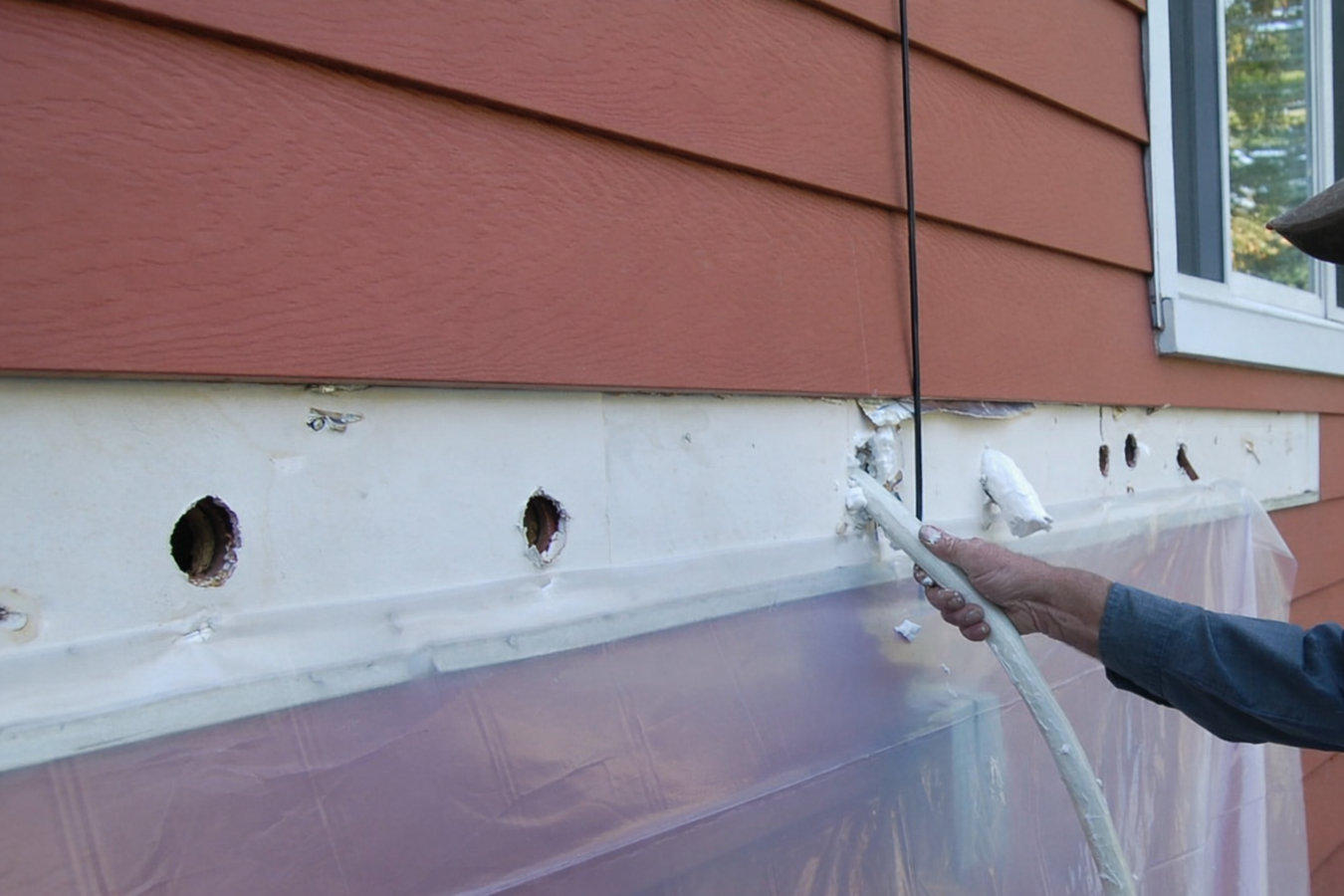
Best for homes with exterior walls that have little or no insulation - dense-pack cellulose is installed through small holes in the siding or interior wall surface without tearing out plaster or drywall.
Best for homes with cold floors and unheated spaces below the living area - addressing these spaces directly improves comfort and reduces moisture-related issues in Vermont's wet springs.
Best for homeowners who want to address the attic, walls, and crawl space in a single project - a comprehensive approach that delivers the most significant improvement in comfort and energy costs.
Rutland sits in one of the colder climate zones in the continental United States, with average January lows around 10 degrees Fahrenheit and extended stretches well below freezing each winter. This means your home needs significantly more insulation than a house in Connecticut or southern New York - and a contractor who does not account for Vermont's specific climate requirements will underperform. A significant portion of Rutland-area homes heat with fuel oil or propane rather than natural gas. Both fuels are more expensive per unit of heat than natural gas, which means every improvement in insulation translates directly into larger dollar savings on your heating bill. Homeowners heating with oil or propane typically see a faster payback on retrofit insulation than those in cities with cheaper fuel. Vermont also makes this work more affordable than most states: homeowners have access to Efficiency Vermont, which offers rebates for insulation upgrades in existing homes available to all Vermont residents.
We work throughout the region, including Brandon and Middlebury. Older homes throughout this part of Vermont share the same challenges as homes in Rutland city - minimal original insulation, settled or degraded materials, and a climate that demands better performance than what was built in. We know these homes, and we know what it takes to bring them up to a standard that actually holds heat through a Vermont winter.
Call or submit a request online. We get back to you within one business day to schedule an in-home visit. You do not need to know anything technical yet - just have a rough sense of the age of your home and the areas you are most concerned about.
We visit your home to check what is currently in place and where the gaps are. We look at the attic, walls, and any basement or crawl space. This visit typically takes one to two hours, and we explain what we find in plain terms - not contractor jargon. It is also your best chance to ask questions before any decisions are made.
After the assessment you receive a clear, written estimate that breaks down what work is recommended, what materials will be used, and what it will cost. We also walk you through any Efficiency Vermont rebates or federal tax credits that apply - these can reduce your cost by hundreds of dollars, and this conversation happens before you sign anything.
The crew arrives, protects your floors and belongings near access points, and completes the work - usually in one day for attic-only projects. Before they leave, we walk you through the completed work so you can see the coverage. Your home is fully usable immediately, with no waiting period or curing time.
Free estimates with a full rebate review. We respond within one business day.
(802) 855-9280The most common shortcut in the insulation industry is adding material without first plugging the gaps that let cold air through. We do not do that. Air sealing is built into every retrofit job we do, because skipping it significantly reduces the benefit of any insulation you add.
Rutland sits in one of the coldest climate zones in the country. We recommend insulation levels appropriate for Vermont winters - not the same levels used in milder climates. A Building Performance Institute approach means we assess your whole home as a system, not just add material and leave.
Many Rutland homeowners do not realize they are entitled to money back on insulation work through Efficiency Vermont. We make sure that conversation happens before you sign, so you know your real cost from the start - not after the check has already been written.
Wood-frame construction, stone foundations, narrow wall cavities, original plaster walls - these are the conditions we work in every day. We know how to get insulation into tight, awkward spaces without damaging your home's finishes, and we know the specific challenges that come with Rutland's pre-1950 housing stock.
Every job comes with a clear estimate, work matched to Vermont's climate requirements, and documentation you can use for rebate applications or future home sales. That is the standard we hold ourselves to on every project.
Spray foam expands to fill gaps and seal air leaks simultaneously - an option for specific applications where blown-in alone is not sufficient.
Learn MoreA broader look at whole-home insulation strategy - covering all the areas of your home that affect comfort and energy costs, not just one space.
Learn MoreRutland's heating season starts early and contractor availability tightens fast in October. Lock in your assessment now and start the winter warmer. Call or request a free estimate online.