Serving Rutland, VT and surrounding areas. (802) 855-9280
Heat rises - and in under-insulated Rutland homes it rises right out through the attic. Proper attic insulation keeps warmth inside, ends ice dam cycles, and makes upstairs rooms comfortable all winter.
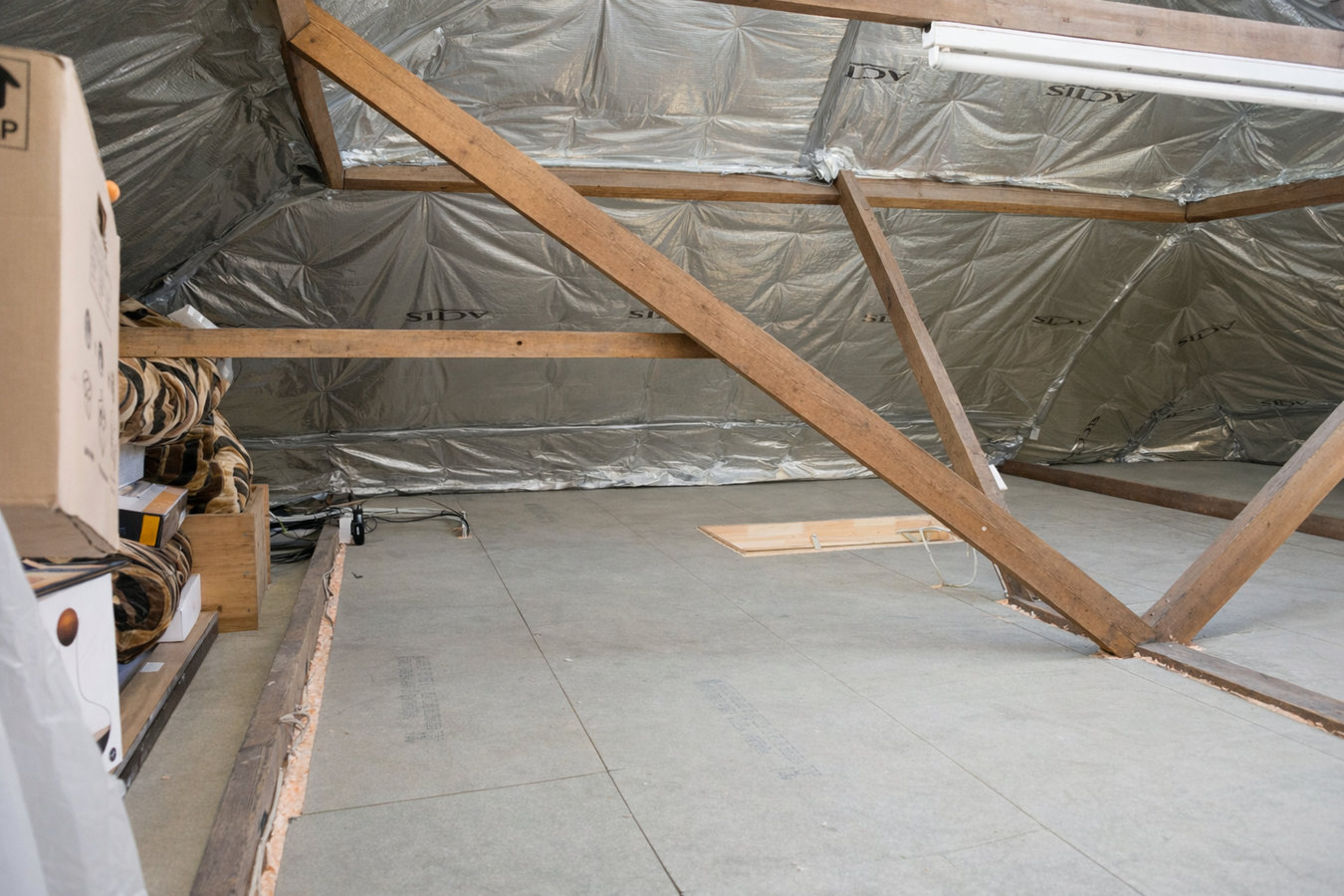
Attic insulation in Rutland, VT acts as a thermal blanket between your living space and the outdoors - slowing heat loss in winter and blocking heat gain in summer, with most residential installations completed in a single day.
Rutland sits in a climate zone that the federal government places among the highest insulation requirements in the country. Vermont winters run long and cold, with heating season stretching from October through April. A large share of Rutland's homes were built before modern insulation standards existed - many in the late 1800s and early 1900s. If your home has never had an insulation upgrade, there is a good chance your attic has less material than it needs, or insulation that has settled and compressed over the decades. Pairing attic work with attic air sealing is almost always worth it - sealing gaps before adding insulation makes the whole system far more effective.
The U.S. Department of Energy recommends that Vermont homes have roughly 16 to 18 inches of blown-in material in the attic - significantly more than warmer parts of the country. A contractor will measure what you already have and tell you exactly how far short you are.
If your fuel oil, propane, or electric heating costs have gone up noticeably over the past few winters, heat loss through the attic is one of the first places to look. Rutland's long heating season means even a modest gap in your insulation adds up to real money over five or six months of cold weather. A quick look in your attic tells you a lot - if you can see the wooden beams clearly, you almost certainly do not have enough.
Ice dams - the thick ridges of ice that build up along your roof's edge after a snowstorm - are a strong signal that warm air is escaping through your attic and melting snow unevenly. This is a very common problem in Rutland, where heavy snowfall and sustained cold create ideal conditions. If you have had to call someone to remove ice dams, or noticed water stains on your ceiling after a thaw, your attic is almost certainly part of the problem.
If the rooms on your top floor are always colder than the rest of the house - even with the heat running - heat is escaping upward through the ceiling. This is especially common in older Rutland homes where insulation was added to part of the attic but not all of it, or where it has settled and thinned over the years. You should not have to crank the thermostat just to make your upstairs bedroom comfortable.
If you have ever looked in your attic and noticed that the insulation looks patchy, compressed, or barely there in spots, that is a direct sign the job needs attention. In older Rutland homes, also look for a grayish, granular material that might be vermiculite - a type of insulation used before the 1980s that can contain asbestos and requires professional testing before any work is done around it.
We bring attic insulation up to Vermont's cold-climate standards using blown-in loose-fill or batt material, depending on your attic's layout and what is already there. Blown-in insulation fills gaps and corners more completely than batts - it is the right choice for most Rutland attics with irregular framing or existing partial coverage. Before any new material goes in, we seal the gaps and cracks in the attic floor: around light fixtures, plumbing pipes, and where walls meet the ceiling. Skipping that air sealing step is the most common shortcut that leads to disappointing results. For a complete air-sealing focus, our dedicated attic air sealing service handles this in detail.
We also handle situations where old or damaged material needs to come out first. Some Rutland homes have vermiculite from decades ago, compressed fiberglass that has lost its effectiveness, or moisture-damaged insulation that would undermine new work if left in place. We assess what is up there and tell you plainly what we found before any work begins. Blown-in insulation is often the fastest and most consistent way to bring a Vermont attic up to where it needs to be - and we install baffles along the eaves so moisture does not build up and damage your roof structure.
Best for most Rutland attics - fills irregular spaces completely and reaches the recommended depth faster than batts, even in older homes with complicated framing.
A good fit for newer attics with consistent joist spacing and clear access, where batts can be laid evenly without gaps.
Sealing attic bypasses - gaps around fixtures, pipes, and framing - before adding insulation makes the entire thermal envelope work the way it should.
For homes with vermiculite, moisture-damaged insulation, or patchwork layers from past repairs, we assess and remove problem material safely before installing new.
Rutland's housing stock is old and its winters are serious. Most homes here were built before modern insulation standards existed, and many have had insulation added piecemeal over the decades - resulting in uneven layers, outdated materials, and gaps that have never been properly addressed. The federal insulation guidelines place Vermont in a zone requiring more attic coverage than roughly 80 percent of U.S. zip codes. Homeowners in Brandon and Proctor deal with the same cold-climate requirements and older construction that Rutland homeowners face.
Ice dams are a direct consequence of poor attic insulation in Rutland's climate. They form when heat escaping through your attic melts snow on the roof, which then refreezes at the cold eaves - and the water can back up under shingles and leak into your walls and ceilings. Properly insulating and air sealing your attic is the most effective long-term fix, not just a cosmetic one. The North American Insulation Manufacturers Association notes that quality attic insulation properly installed can last 20 to 30 years or longer before it needs attention - making it one of the longer-lasting home performance investments available.
We ask a few basic questions - the age of your home, any ice dam or moisture history, and what you know about your current attic. You will hear back within one business day, and we schedule an in-home assessment before giving you any price.
We go into the attic, measure what is there, and check for issues - gaps around pipes or fixtures, signs of moisture, or old materials that need careful handling. This visit is typically free and is your chance to ask questions and get a clear picture of what the job involves.
After the assessment you receive a written estimate breaking down cost, material, and scope. We also confirm whether your project qualifies for an Efficiency Vermont rebate and walk you through what that means for your final cost - you are under no obligation to move forward.
Most Rutland attic jobs are done in a single day. The crew seals air gaps first, then adds insulation material. You do not need to leave your home. Before leaving, we walk you through what was installed and confirm the coverage depth.
Rutland's heating season is long - every week without proper attic insulation is money out the door. We will walk through your home, explain what your attic needs, and give you a written quote with no obligation.
(802) 855-9280Every attic project starts with an in-person assessment and a written estimate that lays out the scope, materials, and price. You know exactly what the job includes before we begin, and you have a clear record to hold us to if anything is ever not right.
As a contractor registered with Efficiency Vermont, we handle the rebate paperwork as part of your project. You do not have to track down forms or submission portals - we make sure you receive the savings you are entitled to without any extra work on your end.
We measure what you actually have in your attic before recommending any work. Some Rutland homes need more prep than others - and a contractor who skips a real assessment is cutting a corner that leads to disappointing results.
We seal attic bypasses - gaps around fixtures, pipes, and framing - before adding new insulation material. A contractor who skips this step leaves your home performing well below what the new insulation alone could deliver.
Before we leave your home, we walk you through the finished attic, confirm the depth of coverage, and handle any Efficiency Vermont rebate submission on your behalf. You can expect to notice a difference in how your home holds heat within the first cold stretch of weather after the work is done.
Blown-in loose-fill insulation for attics, walls, and hard-to-reach cavities - an efficient way to reach Vermont cold-climate R-value targets.
Learn MoreDedicated attic air sealing to close bypasses around fixtures, pipes, and framing before new insulation is added - the step most contractors skip.
Learn MoreRutland's heating season is long - get your attic insulated before the first cold snap and start saving on fuel costs right away.