Serving Rutland, VT and surrounding areas. (802) 855-9280
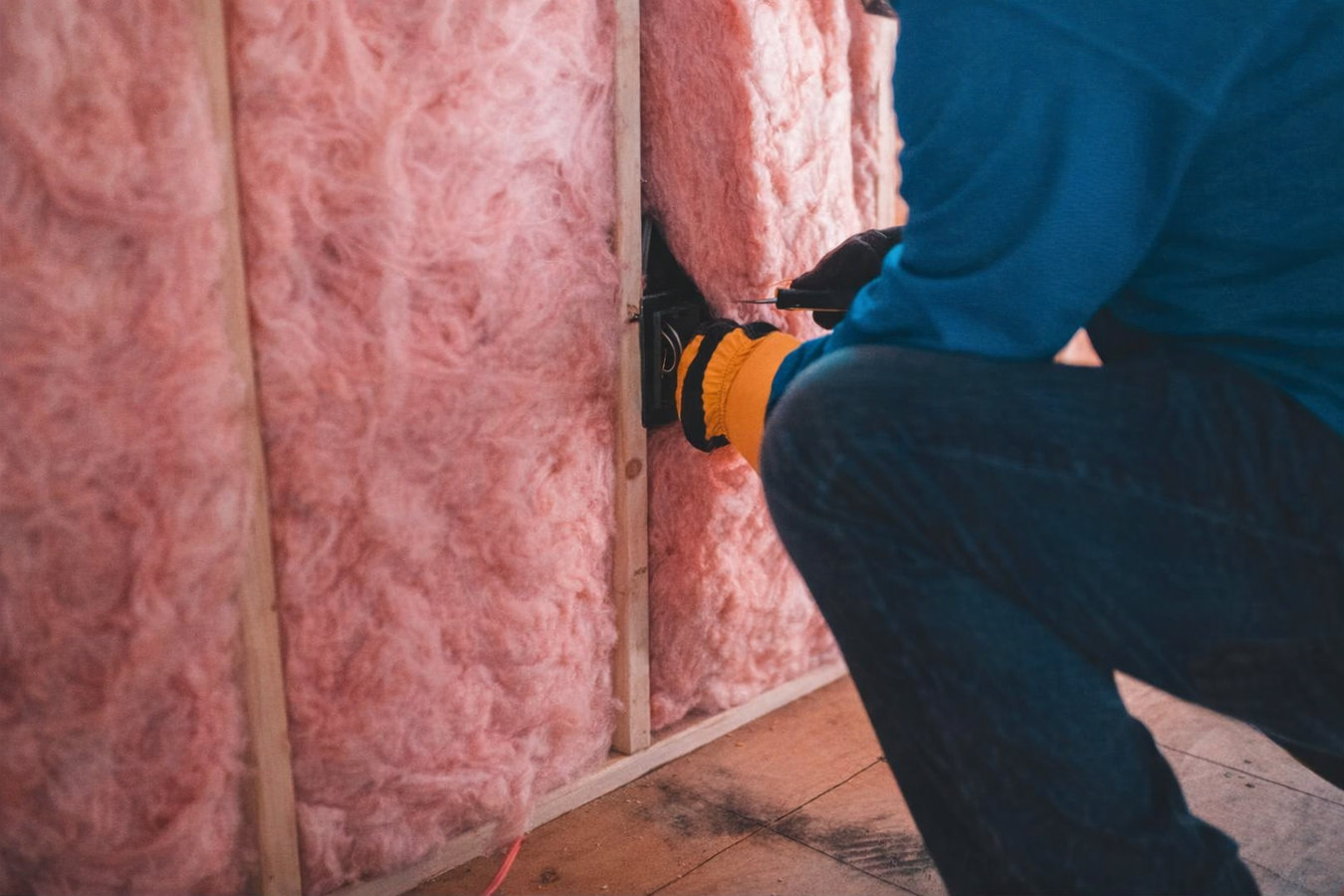
Cold walls and high heating bills are common in Rutland homes built before 1970. We fill hollow wall cavities - no tearing out plaster - so every room holds heat the way it should.
Wall insulation in Rutland, VT slows heat from moving through your exterior walls - keeping warmth inside during winter and blocking heat in summer - and most jobs on existing finished walls are completed in one to two days using blown-in methods with no wall demolition required.
Many Rutland homes were built before the 1970s, when wall insulation was not standard practice. If your home is one of them, the wall cavities may be completely empty - which means your furnace is working far harder than it should every single winter. Adding wall insulation is one of the most direct ways to cut heating costs and make rooms feel consistently comfortable.
Wall insulation works hand in hand with air sealing services. Insulation slows heat transfer, but gaps in the wall framing let air move through regardless. Many homeowners choose to address both at the same time for the best possible outcome.
Press your hand flat against an exterior wall on a cold morning. If it feels like touching the outside, the wall cavity has little or no insulation. This is especially common in Rutland homes built before 1940, where hollow cavities were simply never filled.
If you are spending heavily on heating oil or propane but your home still feels drafty or unevenly warm, your walls are likely letting heat escape. Rutland winters run October through April - a well-insulated home should hold heat consistently from room to room.
Electrical outlets and switch plates on exterior walls often have small gaps that connect to the wall cavity. Hold your hand near one on a windy day - if you feel cool air moving, the cavity behind it is open to the outside. This is a telltale sign in older Rutland homes.
If your home was built before 1970 and you have no records of insulation work being done, there is a strong chance the walls are empty or nearly so. Materials sometimes used in older homes - like newspaper or sawdust - have settled and degraded over decades. A contractor can drill a small inspection hole to confirm.
The most common approach for Rutland homes is blown-in insulation for finished walls. The crew drills small holes - about the size of a golf ball - along each wall cavity, fills it with insulation material, then patches and prepares the holes for paint. No plaster or drywall needs to come down. For homes being built or renovated with open walls, batt insulation fits directly between the studs in thick rolls. Both approaches are available depending on your situation. We also often recommend pairing wall work with blown-in insulation in attics and other areas where additional coverage is needed.
For homes with more significant energy issues - older construction with many gaps and air leakage throughout - we can combine wall insulation with air sealing services in the same visit. Doing both together is more efficient than scheduling them separately, and the combined result is far better than either approach alone. Efficiency Vermont rebates may apply to both services.
Ideal for existing finished walls - hollow cavities are filled through small drilled holes with no major demolition.
Best suited for new construction or renovations with open wall framing, where blanket-style batts are placed between studs.
A variation of blown-in that packs material more tightly, reducing both heat transfer and air movement through the wall cavity.
For older Rutland homes with multiple energy issues - insulation and air sealing done together for the highest impact.
Rutland sits in a valley between the Taconic Mountains and the Green Mountains, and heating season runs from October through April. Winter temperatures regularly drop well below freezing, which means your walls are working hard for more than half the year. A large share of Rutland homes were built in the late 1800s and early 1900s - long before modern insulation standards existed. Many of those wall cavities have been empty since the day the house was built. The insulation standards appropriate for milder climates simply are not enough here, and contractors in this region know it.
Vermont also has one of the strongest state energy efficiency programs in the country. Efficiency Vermont offers rebates for wall insulation work, and income-eligible homeowners may qualify for the Vermont Weatherization Assistance Program, which can cover a significant portion of the project cost. Homeowners across our service area - from Poultney to Brandon - can access these programs. It is worth asking about rebates before you sign anything.
Call or submit a request online and we will respond within one business day. We will ask a few basic questions about your home - age, number of exterior walls, and any specific problem areas - so we can come prepared.
We walk through your home and assess the walls, attic, and basement to understand where heat is escaping. A thermal camera or blower door test can reveal exactly which cavities are empty - this is what allows us to give you an accurate, targeted estimate.
You receive a clear written estimate outlining what work we recommend, the materials we will use, and the total cost. We will also walk you through any Efficiency Vermont rebates or financing options that apply to your project before you decide.
Most blown-in wall jobs are completed in a single day. When we finish, we patch and prepare the holes for paint and walk you through everything we did - including any unexpected conditions we found. You can be home the whole time.
No pressure, no obligation. Get a free estimate and find out which Efficiency Vermont rebates apply to your home.
(802) 855-9280We register your project with Efficiency Vermont so it qualifies for available rebates, and we handle the paperwork for you. Our crews know Rutland's older walls and document the work, so you get the savings you are entitled to without the guesswork.
You cannot see inside a finished wall, so we use thermal imaging after the job to confirm every cavity was properly filled and no cold spots remain. You see the results in real terms - not just take our word for it.
Most homes in Rutland were built before World War II, and we know how they are put together - hollow cavities, settling plaster, knob-and-tube wiring chases. We address what we find rather than pretending every home is the same.
Vermont has some of the most generous energy programs in the country, and many homeowners leave money on the table because they did not know to ask. We walk you through Efficiency Vermont rebates and the Weatherization Assistance Program before any work starts. See more at Efficiency Vermont.
Every one of these proof points connects back to the same thing: a job done right, in a home like yours, in a climate like ours. When you call us, you get someone who knows Rutland homes and stands behind the work.
Close the gaps and cracks where outside air sneaks in - the essential companion to wall insulation in older Rutland homes.
Learn MoreLoose-fill insulation blown into attics and wall cavities - a fast, low-disruption upgrade for homes with hollow spaces.
Learn MoreRutland heating season is coming - get your walls ready before the cold does. Call or request a free estimate now.